Data Guided by Kānāwai
Purple Maiʻa created the KILO Dashboard, a community-driven environmental monitoring system grounded in Native Hawaiian principles of observation (kilo). Built with Indigenous data sovereignty in mind, it allows communities to control their own environmental data. This work connects to Eahou Fest 2026 (May 1-3), which will explore how ancestral Hawaiian knowledge can guide modern technology and stewardship systems.
At the foundation of Native Hawaiian knowledge systems lies kānāwai, the ancestral ecological laws that govern balance, reciprocity, and kinship between ʻāina, wai, kānaka, and all life. Rooted in oli, moʻolelo, and kaʻao and carried through moʻokūʻauhau, kānāwai reflect a Hawaiian worldview that understands the world not as separate parts, but as an interconnected socio-ecological landscape where the physical, spiritual, visible, and invisible exist in continuous relationship. These living principles, as referenced by the Edith Kanakaʻole Foundation, bind ethics to ecology and place kuleana on us to protect the conditions that allow life to regenerate. Life is understood as cyclical and regenerative, with each generation contributing to the health and continuity of the whole. He Kīhoʻihoʻi Kānāwai, the law of regeneration, reminds us that when ʻāina is given the opportunity to heal, it will do so, and in turn heal kānaka as well.
Central to practicing kānāwai and rediscovering ritual is kilo, the disciplined observation of natural systems across time. Our kūpuna carefully watched clouds, winds, rains, plant cycles, ocean currents, and animal behaviors, noticing subtle shifts and long-term patterns. Through kilo they predicted seasons, guided planting and fishing cycles, and ensured human activity stayed in balance with ecological rhythms. This was not simply data collection, but a relational practice rooted in kuleana and environmental kinship, recognizing that humans are not separate from the landscape, but part of it. The Hawaiian concept of landscape extends beyond land alone to include ocean, heavens, elements, ancestors, memory, and intuition, all shaping how we understand and care for place.
This ancestral intelligence continues to guide our modern efforts to build community-led systems of stewardship, innovation, and regeneration.
This methodology inspired the creation of the KILO Dashboard (Kilo ʻIke Laulima na ʻŌiwi: “Observing knowledge, the many hands work together”). While modern environmental monitoring tools can be powerful, they are often disconnected from place, community, and Indigenous governance. Large-scale platforms frequently extract information without local ownership or context, reproducing patterns of control that have harmed ʻāina and communities for generations. Data becomes something taken and interpreted elsewhere, rather than held in relationship and used in service of stewardship.
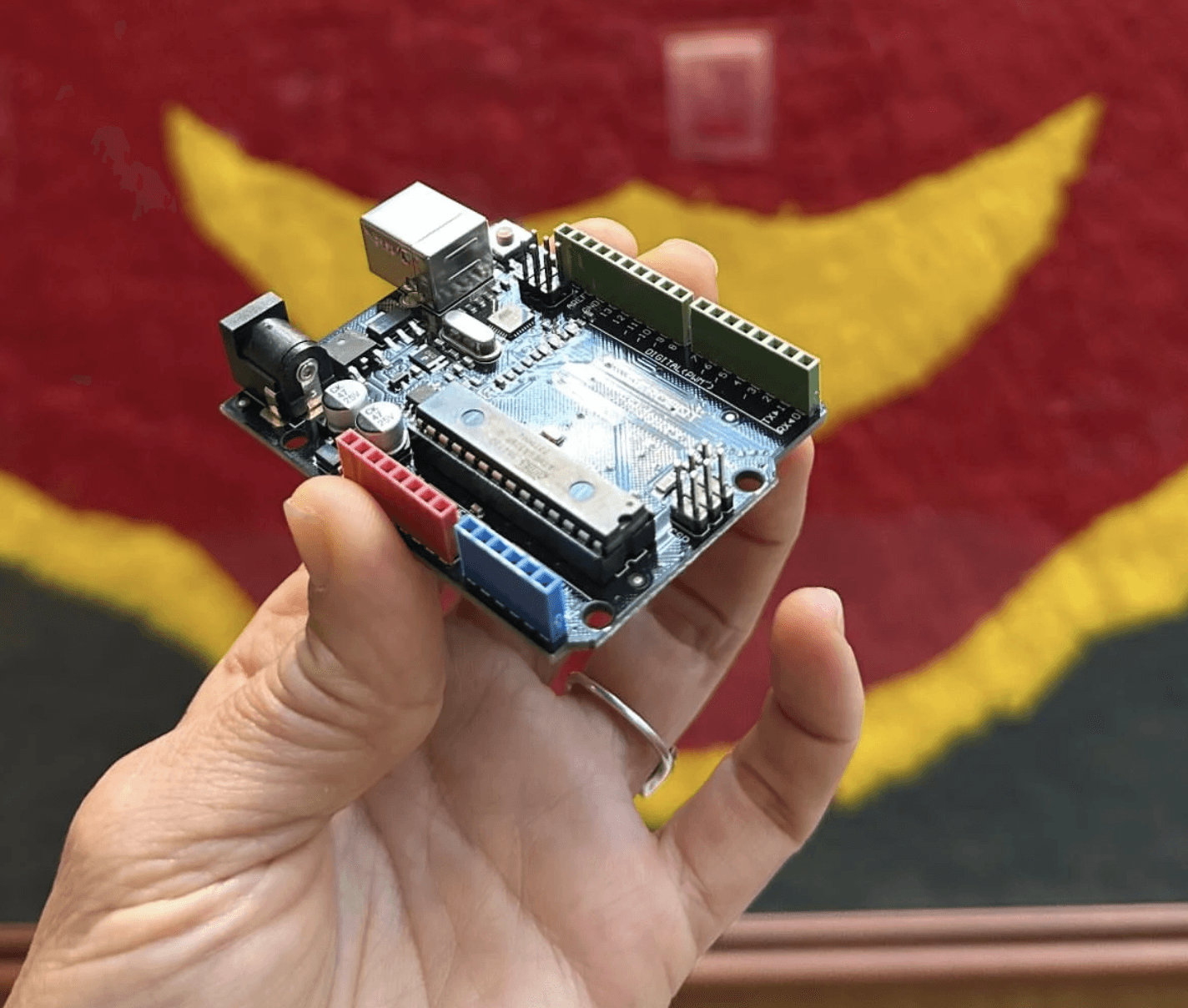
Through our March 2025 Build4ʻĀina hackathon and continued development, we designed KILO as a community-driven, offline-capable environmental monitoring system grounded in kilo principles. Using low-cost sensors to measure weather, water quality, soil conditions, and other ecological indicators, KILO allows communities to observe their environments in real time and track long-term trends for better decision-making.
Crucially, KILO is built around Indigenous data sovereignty principles, ensuring communities control their own data, determine how it is stored and shared, and interpret it within local context. As we develop these systems, we also recognize that AI and large language models can be extractive, consuming significant water and energy. Our approach prioritizes offline data sovereignty models and locally grounded computing infrastructure. In partnership with Josiah Hester at Ka Moamoa Lab and Keolu Fox, we are exploring environmentally aware edge computing and “locally grown” compute clusters built from recycled hardware that keep data on-site, reducing ecological footprint while strengthening community control.
While KILO is one tangible expression of this work, it exists within a broader vision called Eahou. Eahou is our framework for reimagining Hawaiʻi’s future through ʻŌiwi knowledge systems, regenerative stewardship, community governance, and locally rooted innovation. It recognizes that true resilience is built through interconnected systems that restore relationships between ʻāina, people, economy, and culture that we describe as “Haku Waiwai”.
These ideas will come together May 1-3 at Eahou Fest 2026, a three-day multimedia festival hosted by Purple Maiʻa in Mōʻiliʻili and designed as a living campus where ancestral intelligence, modern innovation, and community-driven solutions intersect. The festival will explore how ʻŌiwi frameworks like kānāwai can guide technology, stewardship, and economic systems that restore balance rather than perpetuate extraction.
A central feature of the festival will be the Eahou Global Cohort, a group of practitioners, organizers, technologists, and cultural leaders from Indigenous and frontline communities around the world who have participated in a six-month learning journey. Cohort members will host workshops, participate in panels and facilitate hands-on sessions throughout the festival, sharing lived experience and practical knowledge from their communities. Their presence reflects Eahou’s understanding that Hawaiʻi’s challenges and innovations are connected to global movements for land reclamation, ecological restoration, and self-determination.
Festival participants will explore how ancestral methodologies can inform modern systems across sectors. Eahou highlights how cultural frameworks can guide innovation with ethics, accountability, and long-term vision. We hope you’ll join us at Eahou Fest 2026 to be part of this collective learning and reimagining of Hawaiʻi’s future.
Eahou ultimately points toward a better, more sustainable, and sovereign Hawaiʻi, where communities hold knowledge, govern resources, and build systems that serve future generations. By grounding innovation in ancestral knowledge and community-led practices, we move closer to a future where ʻāina, wai, and kānaka thrive together in balance.